Quick answer
After a flood, fire or storm, make people and the site safe, photograph the damage, notify your insurer and check disasterassist.gov.au and your state recovery authority for support. Insurance payouts and grants often take weeks. A short-term business loan can bridge that gap so you can clean up, restock and reopen. Property-secured loans of $20k to $250k are possible the same day.
Key points
- Safety, then evidence: photos and a written list of damage support both insurance and lenders.
- Official support — disaster recovery payments, concessional loans, ATO relief — is listed on disasterassist.gov.au and business.gov.au.
- Bridging finance can fund clean-up and restocking while insurance claims are assessed.
- The ATO can give more time to lodge and pay for businesses affected by disasters.
- First stop
- Insurer + disasterassist.gov.au
- Tax relief
- Ask the ATO for more time
- Bridge
- Short-term loan until claims pay
What should I do in the first hours after a disaster?
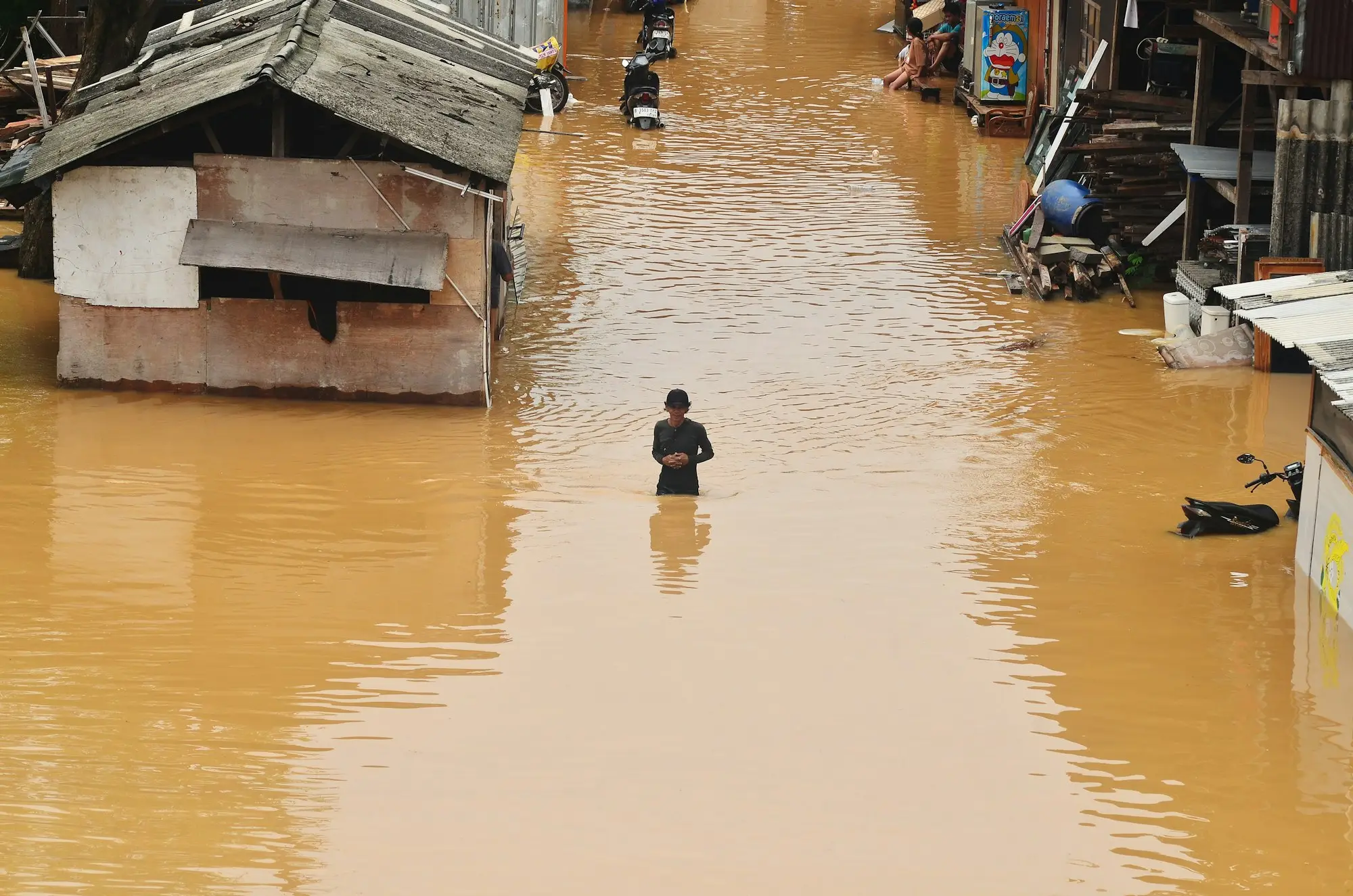
Floods along the east coast, bushfires in regional Victoria and NSW, cyclones in the north and hailstorms in the cities are part of running a business in Australia. When one hits your premises, the order matters.
- People first. Follow emergency services’ directions. Don’t enter damaged buildings until they’re declared safe.
- Secure the site to stop further loss — tarps, boarding, isolating power and gas when it’s safe to do so.
- Photograph and film everything before clean-up starts: buildings, stock, equipment, vehicles, records.
- Notify your insurer and get a claim number. Ask what they need and whether they’ll authorise emergency repairs.
- Check official support. Disaster Assist lists federal help for declared events; your state recovery authority will have grants and concessional loans; business.gov.au collects assistance in one place.
- Tell the ATO if lodgements or payments are due. The ATO can give affected businesses more time.
Only after that does funding come in — but it often needs to come in quickly.
Why do businesses need funding if they’re insured?
Insurance and grants are essential, but they’re rarely fast. Assessors are stretched after large events, claims need quotes and evidence, and some items turn out not to be covered or to be underinsured. Grants and concessional loans have applications and eligibility checks. Meanwhile, wages are due, stock needs replacing and customers are waiting.
That’s the gap a short-term business loan fills: money now to clean up, restock and reopen, repaid when insurance or grants arrive or from trading once you’re back open.
| Need | Typical timeline without funding | With bridging funding |
|---|---|---|
| Clean-up and make safe | Wait for insurer approval | Start immediately |
| Replace stock | After claim is settled | Restock this week |
| Replace equipment | After assessment | Order now, recover later |
| Temporary premises | Often not covered or capped | Secure a site straight away |
| Underinsured gap | Out of pocket | Fund the full rebuild |
What funding works after a disaster?
- Property-secured loans over a home or other property (not necessarily the damaged one): $20k to $250k is possible the same day; up to $5m is possible within 24–48 hours. These suit larger rebuilds and bridging insurance.
- Unsecured cash-flow loans, typically $5,000 to $500,000, sized on turnover and bank statements from before the event. Same-day funding is possible for smaller amounts.
- Lines of credit to draw as costs arrive and repay as claims pay.
The disaster recovery loan page compares these in more depth, and urgent bridging loans explains bridging to an expected payment.
Illustrative example: a flood-hit hardware store
Illustrative only. A hardware and farm supplies store in a Queensland river town takes a metre of water. Stock losses and fit-out damage are estimated at $340,000. The insurer acknowledges the claim but says assessment will take several weeks because of the number of claims in the region.
The owners have a home on higher ground with equity. A second mortgage of $250,000 is arranged within 48 hours to fund the clean-up, a first order of stock and a temporary shopfront in a vacant building. The store reopens in a fortnight — when farmers most need supplies to rebuild. When the insurance payout arrives, a large part of the loan is repaid, and the owners apply for a state recovery grant for the uninsured remainder.
What do lenders need after a disaster?
Lenders who work in this space understand that records may have been lost. Expect to provide ID, ABN or ACN, bank statements (your bank can reissue these), the insurance claim number, photos of damage and quotes for the work. If property is offered as security, the address and current loan details. Credit issues and ATO debt are considered case by case.
What records should I keep for the claim?
Keep every receipt for clean-up, hire and emergency repairs, a log of dates and conversations with your insurer, and photos before and after work. Good records speed the claim and help repay any bridging loan sooner.
Rebuild on your timetable
You can’t control when the assessor arrives, but you can control when you reopen. Start an emergency enquiry and tell us what you need to get trading again.
There’s no credit check when you first enquire, and your details go to one specialist rather than being circulated to a list of lenders. A real person reads your situation and calls you back. Give us accurate figures — the claim number, what’s insured and what isn’t, and any property available — so the first option is the right one. When you’re ready, see if you qualify. Our first-hour emergency checklist is worth a read while you wait.
Frequently asked questions
Should I wait for insurance before borrowing?
If you can afford to wait, yes. But many businesses can't stay closed for the weeks an assessment can take. A short-term loan to reopen, repaid when the insurance payment arrives, is a common bridge.
What government help is there after a disaster?
It depends on the event and where you are. Disasterassist.gov.au lists federal assistance for declared disasters, and state recovery authorities run their own grants and concessional loans. Business.gov.au also has a page on assistance for disasters and emergencies.
Can the ATO give me more time to pay?
The ATO says it can help businesses affected by natural disasters, including extra time to lodge and pay. Contact the ATO or your tax agent and explain how you've been affected.
What if I'm underinsured?
An underinsured gap is common after a major event. A property-secured or unsecured loan can cover the difference so you can rebuild fully, rather than reopen at half capacity.
Can you help if my premises are uninhabitable?
Yes. Funding can cover temporary premises, hire equipment, stock and wages while you relocate or rebuild.